
Breast Thermography and Mammography: How They Differ and How They Work Together
Is thermography the same as a mammogram? No, and the difference isn't a small one. Understanding it is the most useful thing you can do before deciding whether thermography belongs in your care.
Structure versus physiology
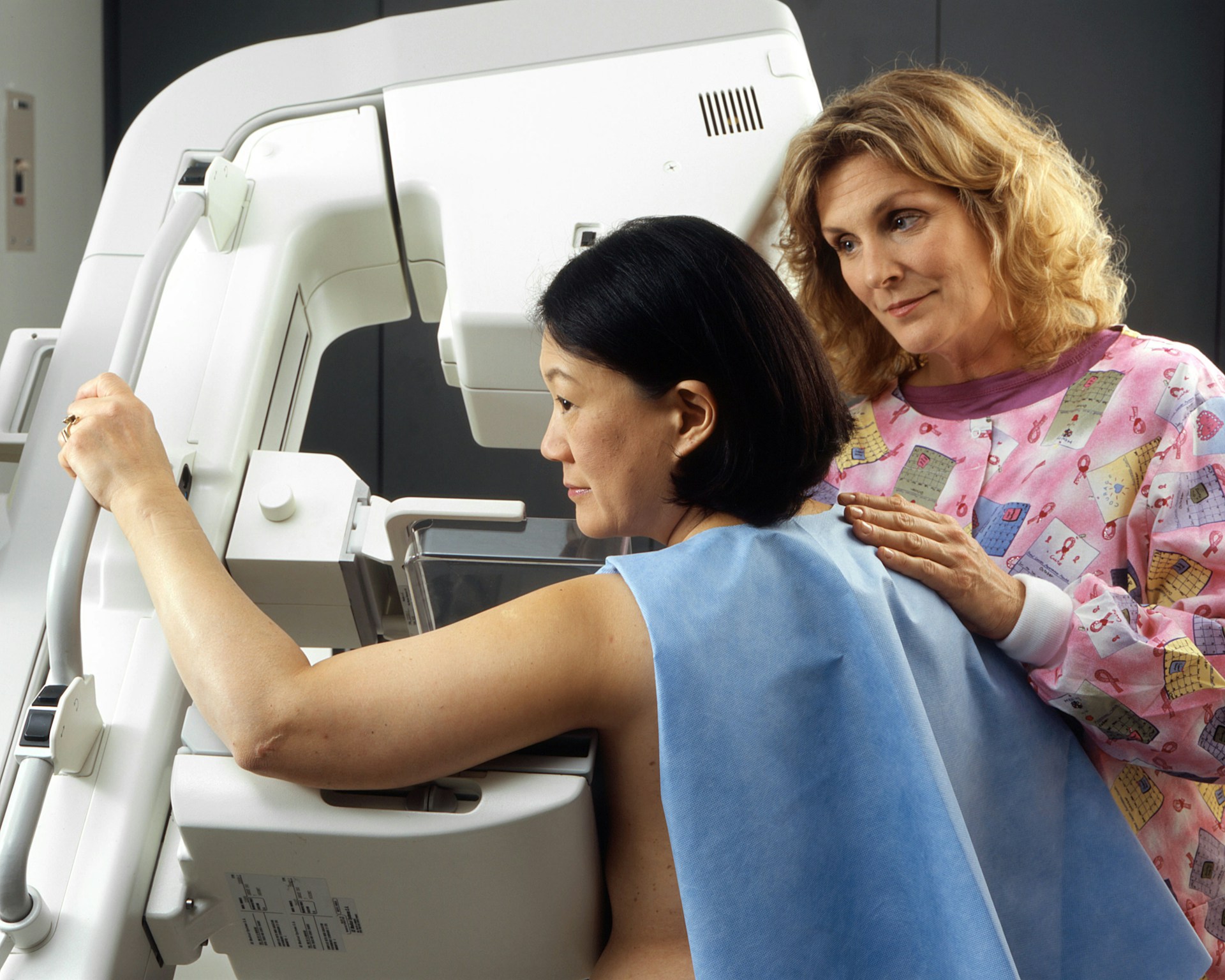
A mammogram is a low-dose X-ray that produces an image of breast tissue structure. It shows density, masses, and calcifications, and it's the primary screening tool that major medical organizations recommend for breast cancer screening.
Thermography produces an infrared image showing patterns of heat and blood flow at or near the skin's surface. It doesn't show structure, and it can't locate a mass. It gives a different category of information altogether.
That's why the two aren't interchangeable. A structural image and a heat map answer different questions, and only one of them is a proven screening test.
An important reminder
Thermography is cleared by the FDA only as an adjunctive tool, meaning it's authorized for use alongside a primary screening test such as mammography, not on its own. Major medical organizations, including the American Cancer Society and the American College of Radiology, recommend mammography as the primary screening method and do not recommend thermography as a replacement for it.
We say this plainly because getting it wrong carries a genuine cost. Anyone who skips a mammogram because they had a thermogram has made a trade that isn't in their favor.
If you're due for a mammogram, keep that appointment. If you've noticed a change in your breast that concerns you, see your physician. Thermography is not the right tool for evaluating a symptom.
What the exam is like
For people who choose to add thermography to their care, the experience is straightforward. It's non-invasive, uses no radiation, involves no compression or squeezing, and requires no contact between you and the equipment. You stand in front of a thermal camera while the images are captured.
There's an acclimation period of about 15 minutes beforehand so your skin temperature and the room temperature can normalize, and there are specific preparation steps to follow in the days leading up to your appointment.
Why people ask about it
People raise the topic for a range of reasons, including finding mammograms painful, having dense breast tissue, having implants or a history of breast procedures, family history, or simply a general interest in proactive wellness.
Those are all understandable reasons to ask the question. They aren't, on their own, reasons that thermography is appropriate for you, and we'd rather say so than imply otherwise. Some of them are also reasons to have a specific conversation with your physician about which additional imaging, such as ultrasound or MRI, might be recommended in your situation.
Questions to bring to any provider
If you're considering thermography here or anywhere else, these are the questions we'd want you asking:
- What exactly does this exam measure, and what can't it measure?
- How are the results interpreted, and by whom?
- What happens if something appears in my results?
- How does this fit with the screening my physician already recommends?
- Will I still be following my regular mammography schedule?
A provider who answers those questions clearly and encourages you to keep your other screenings is giving you the right information. A provider who suggests thermography can stand in for a mammogram is not.
Breast thermography does not replace mammography, and mammography does not replace breast thermography. They measure different things. For some people, having both offers a fuller picture, and that decision is one to make with your physician rather than on your own.
Review our preparation instructions and exam details before you decide, and call us with any questions.